


Why Your Car Makes Strange Noises in Cold Weather: Nissan Technician Breakdown

Why Does Your Car Make Strange Noises in Cold Weather?
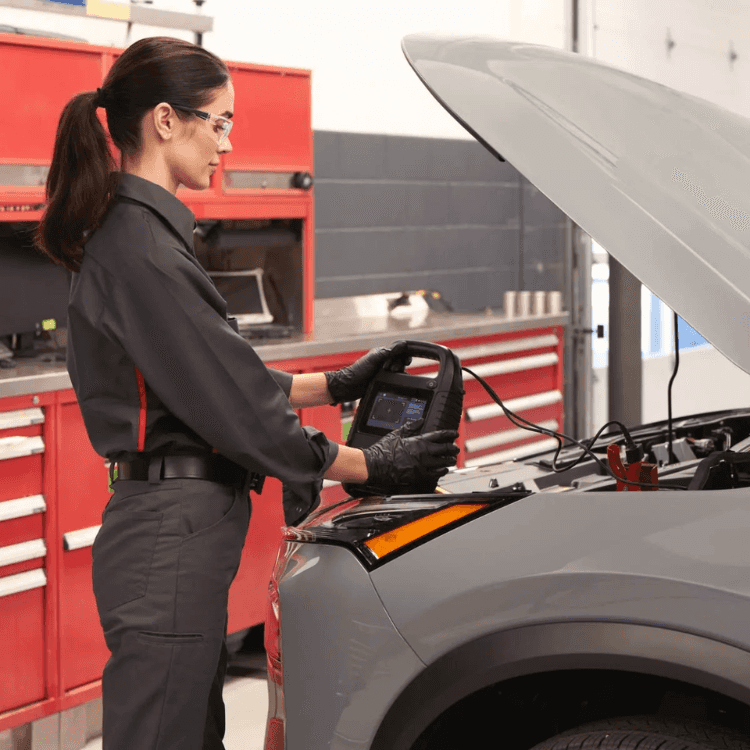
Indiana winters bring freezing temperatures that cause vehicles to behave differently than they do during warmer months. Many Nissan owners notice unusual sounds when starting their vehicle, turning the steering wheel, accelerating, or driving at low speeds.
Some winter noises are temporary and relatively harmless. Others can indicate worn components or mechanical problems that become more noticeable in freezing temperatures.
Understanding the difference can help you decide when a noise deserves professional attention.
1. Squealing or Chirping at Startup
A brief squealing or chirping sound during a cold start may come from the accessory drive belt or its related components. Cold temperatures can make existing belt wear or tension problems more noticeable.
Possible Causes
- Worn or improperly tensioned serpentine belt
- Moisture or frost affecting belt traction
- Worn belt tensioners or pulley bearings
If the sound continues, becomes louder, or occurs regularly, have the belt system inspected. Not every startup noise comes from the belt, so a proper diagnosis is important.
2. Grinding or Groaning When Turning
Cold weather can make existing steering and suspension problems more noticeable. Grinding, groaning, or clicking while turning may have several causes depending on your Nissan’s steering system and the condition of its components.
Possible Causes
- Worn steering or suspension components
- Damaged strut mounts or bearings
- Power steering pump or fluid issues on vehicles equipped with hydraulic power steering
Many modern Nissan vehicles use electric power steering and do not have a conventional hydraulic power steering pump. Persistent grinding, unusually stiff steering, or noises that worsen while turning should be inspected by a qualified technician.
3. Loud Exhaust or Rattling on Startup
Metal components expand and contract as temperatures change. If an exhaust bracket, clamp, or heat shield is loose, vibration may become more noticeable when the vehicle is cold.
Possible Causes
- Loose exhaust clamps or mounting brackets
- Heat shield vibration
- Worn exhaust connections or damaged components
A rattle that disappears after warming up may still require attention. A noticeably louder exhaust, unusual exhaust smell, or suspected exhaust leak should be inspected promptly because exhaust leaks can create safety risks.
4. Brake Squeaking or Grinding
Moisture, road salt, and overnight temperature changes can contribute to surface rust on brake rotors. This may cause brief squeaking during the first few stops.
However, persistent grinding is not something to ignore, particularly when it happens during braking.
When to Be Concerned
- Grinding continues after several normal stops
- The steering wheel or brake pedal vibrates while braking
- Braking performance changes
- Noise becomes more frequent or severe
If braking feels different or grinding continues, schedule a brake inspection rather than assuming cold weather is the only cause.
5. Suspension Creaking or Popping
Freezing temperatures can make rubber suspension components less flexible. Existing wear in bushings, mounts, or other suspension parts may become more noticeable as the vehicle travels over uneven pavement.
Common Situations
- Turning into driveways
- Driving over speed bumps
- Crossing uneven or damaged winter roads
- Turning sharply at low speeds
Occasional temperature-related creaking may be minor, but repeated popping, knocking, or changes in handling deserve an inspection.
6. Tire Noise on Cold Pavement
Cold temperatures affect tire rubber and inflation pressure. Changes in road surfaces, tire pressure, and tread condition can make road noise more noticeable during winter driving.
Thumping or humming may also indicate a tire or wheel issue that should not be dismissed as normal winter behavior.
What Helps
- Checking tire pressure when tires are cold
- Following the vehicle manufacturer’s recommended tire pressure
- Maintaining regular tire rotations and inspections
- Considering appropriate winter tires for local driving conditions
If you notice persistent thumping, vibration, or unusual tire wear, have your tires and wheels inspected.
When Do Winter Car Noises Need Professional Diagnostics?
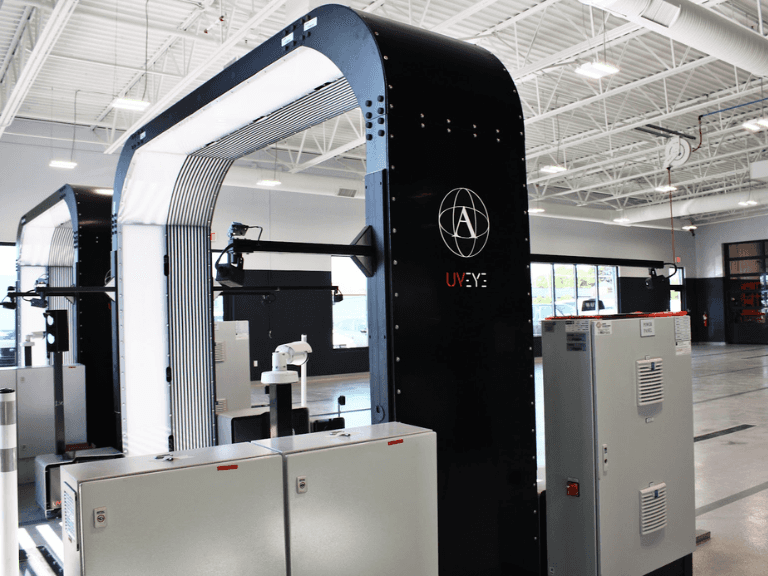
Not every noise requires an immediate repair, but some warning signs should never be ignored.
Schedule an inspection if a sound becomes louder, persists after the vehicle warms up, or occurs alongside changes in braking, steering, handling, or engine performance.
DeFOUW Nissan of Lafayette provides vehicle diagnostic and maintenance services to help identify the source of unusual noises. Our service team can inspect components affected by cold weather, road conditions, and everyday wear.
Hearing Something Unusual This Winter?
If your Nissan is making an unfamiliar noise, the DeFOUW Nissan service team can help identify the cause and recommend the appropriate next steps.
DeFOUW Nissan of Lafayette serves drivers throughout Lafayette, West Lafayette, and surrounding Indiana communities, including Lebanon, Attica, Monticello, Crawfordsville, and Delphi.

2 comment(s) so far on Why Your Car Makes Strange Noises in Cold Weather: Nissan Technician Breakdown
I have two nissan sentras and both of them make noise from dashboard ONLY IN WINTER, the noise are not from engine, tires, brakes or any pipes, noises coming from dashboard and feel like some lose in there
Thanks for sharing your experience. Cold winter temperatures can cause interior materials like plastic panels, clips, and fasteners in the dashboard to contract, which may lead to rattling or creaking noises. Because dashboard noises can have several causes and are difficult to pinpoint without inspection, the best next step is to have a trained technician take a look.
Our service team can properly inspect the vehicle and identify the source of the noise. You can schedule a visit here:
https://www.defouwnissan.com/service/